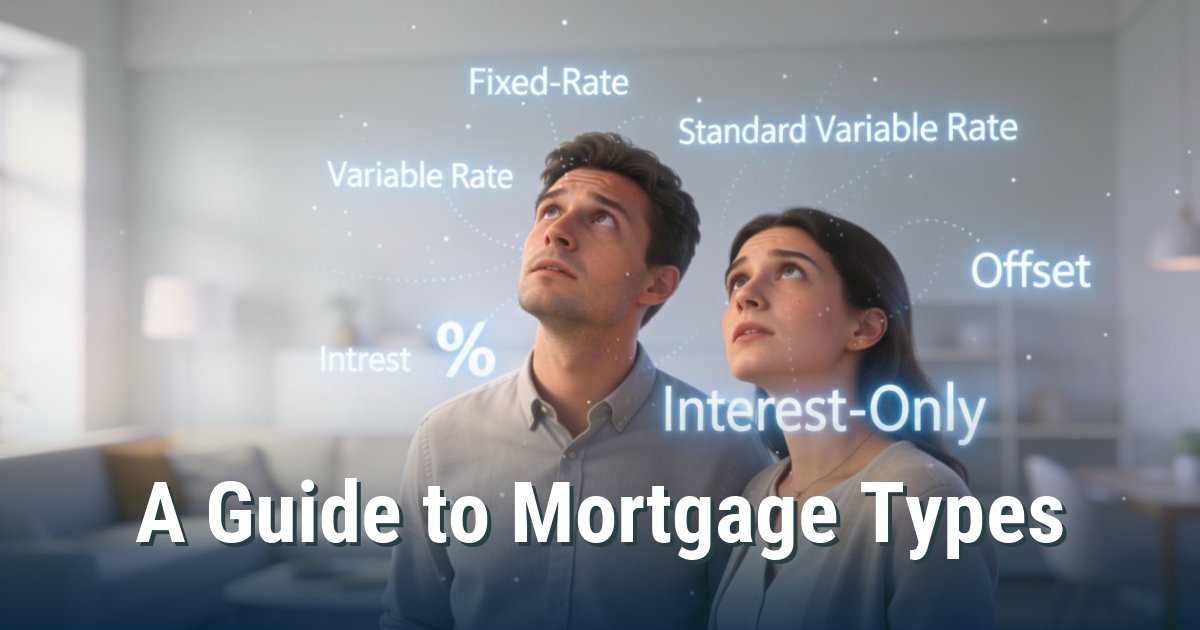
A Simple Guide to the Different Types of Mortgages
Wednesday 7 January, 2026
If you’re new to mortgages, the range of terms and options can feel overwhelming.
Or maybe your mortgage is coming up for a renewal and you need to refresh your knowledge.
At its core, a mortgage is a loan to help you buy a home, secured against the property. This means if you don’t keep up with repayments, the lender may repossess the property.
This guide explains the main types of mortgages you’re likely to come across, what the common terms mean in plain English, and the key risks and protections to be aware of, so you can feel more confident when exploring your options.
Daniel Chapman, Mortgage Broker Adviser in Camborne, Cornwall says:
“Understanding your mortgage options is the first step toward feeling confident about your finances. As mortgage advisers, our job is to break down the jargon and help you make decisions that genuinely work for you.”
What Is a Fixed-Rate Mortgage?
A fixed-rate mortgage keeps your interest rate the same for an agreed period, typically two, three, five or ten years, so your monthly payments stay consistent during that time. This can make budgeting easier, as you know exactly what you’ll pay each month.
At the end of the fixed period, your mortgage usually moves to the lender’s Standard Variable Rate (SVR), unless you switch to a new deal. Be aware that early repayment charges may apply if you leave the deal before the fixed term ends. Fixed-rate mortgages are popular with people who want certainty over their monthly outgoings.
What Does “Variable Rate” Mean? And What Is a Tracker Mortgage?
A variable-rate mortgage means the interest rate can change during the life of the loan. One common type is a tracker mortgage, which follows an external reference rate, usually the Bank of England base rate, plus a set margin.
For example, if the base rate rises by 0.25%, your tracker mortgage rate would typically rise by the same amount. The reverse applies if rates fall. These mortgages suit people who are comfortable with potential changes in monthly payments and who believe interest rates may fall. However, they carry the risk of higher payments if rates rise.
What Is the Standard Variable Rate (SVR) and What Are Discount Mortgages?
The SVR is the lender’s default interest rate, which usually applies after an introductory deal ends. It’s not directly linked to the Bank of England base rate, so lenders can change it at their discretion.
A discount mortgage offers a set percentage off the SVR for a limited time. While this can make repayments cheaper than the SVR, your payments can still change if the SVR changes. Always check the lender’s terms and be prepared for fluctuations.
What Is an Interest-Only Mortgage?
With an interest-only mortgage, you pay only the interest each month and not the original loan (capital). This means the full loan amount remains outstanding at the end of the term.
You must have a credible and realistic plan to repay the capital, such as savings, investments, or property sale and lenders are required to assess this plan under FCA affordability rules. Interest-only mortgages can reduce monthly costs in the short term but carry the risk of not being able to repay the loan later, so careful planning is essential.
What Is an Offset Mortgage?
An offset mortgage links your savings to your mortgage. Your savings balance is offset against your mortgage balance, reducing the interest charged.
For example, if you owe £150,000 and have £10,000 in linked savings, you’ll only pay interest on £140,000. This can help reduce interest costs or shorten the mortgage term. However, offset mortgages aren’t offered by all lenders, and terms vary, so it’s important to compare options carefully.
Specialist Mortgages: Buy-to-Let, Bridging, Lifetime and Second-Charge
Some mortgages are designed for specific needs:
- Buy-to-let mortgages are for landlords letting property to tenants. They’re assessed differently from residential mortgages.
- Bridging loans are short-term finance used to cover gaps between buying and selling. They often come with higher rates and fees.
- Lifetime mortgages and equity release products allow older homeowners to access property value while staying in their home. These are regulated and must be sold with appropriate advice.
- Second-charge mortgages are loans secured against a property that already has a mortgage. They can be useful for raising funds but come with separate terms and risks.
These products often require regulated advice due to their complexity and specific eligibility criteria.
How Do Interest Rate Changes Affect Your Mortgage?
The Bank of England sets the base rate, which influences borrowing costs across the economy. Tracker mortgages and some variable-rate products move in line with this rate.
- When the base rate rises, payments on these mortgages usually increase.
- When it falls, payments may decrease.
- Fixed-rate mortgages remain unchanged during the fixed term.
It’s wise to use mortgage calculators to model different scenarios and understand how rate changes could affect your budget.
What Protections and Rules Apply?
Mortgages are regulated by the Financial Conduct Authority (FCA), which sets rules to ensure lending is fair, affordable, and transparent.
Lenders and advisers must:
- Provide clear, accurate information about costs, risks, and early repayment charges.
- Assess affordability and suitability before arranging a mortgage.
- Treat customers fairly, including offering support if you’re struggling with payments.
How to Choose the Right Mortgage for You
There’s no one-size-fits-all mortgage. The right choice depends on:
- How much you want to borrow
- How long you plan to stay in the property
- Your income and savings
- Your comfort with payment changes
Compare the total cost over time, check for early repayment charges, and think about how changes in interest rates or your circumstances might affect you.
Speaking to a regulated mortgage adviser, such as those here at Thomas Oliver, can help you understand your options and make informed decisions. Advisers must follow FCA rules and explain your choices clearly, helping you weigh up the pros and cons of each product.
Next Steps and Where to Find Help
If you’d like personal advice tailored to your circumstances, a regulated mortgage adviser can guide you through the process.
We can:
- Explain your options in plain English
- Compare suitable products across an extensive panel of lenders
- Help you understand the benefits, risks, and long-term implications
If you’re unsure about anything, we’re here to help you feel confident and informed before making any decisions.
THINK CAREFULLY BEFORE SECURING OTHER DEBTS AGAINST YOUR PROPERTY. YOUR PROPERTY MAY BE REPOSSESSED IF YOU DO NOT KEEP UP REPAYMENTS ON A MORTGAGE OR ANY OTHER DEBT SECURED ON IT.
Most Buy to Let mortgages and some bridging finance are not regulated by the Financial Conduct Authority.
A lifetime mortgage is not suitable for everyone and may affect your entitlement to means tested benefits, so it is important to seek financial advice before taking any action. If you are considering releasing equity from your home, you should consider all options available before equity release.
The interest that may be accrued over the long term with a Lifetime Mortgage, may mean it is not the cheapest solution. As interest is charged on both the original loan and the interest that has been added, the amount you owe will increase over time, reducing the equity left in your home and the value of any inheritance, potentially to nothing.
Although the final decision is yours, you are encouraged to discuss your plans with your family and beneficiaries, as a Lifetime Mortgage could have an impact on any potential inheritance. We would also encourage you to invite them to join any meetings with your Financial Adviser so they can ask questions and join in the decision, as we believe it is better to discuss your decision with them before you go ahead.
Thomas Oliver UK LLP is an appointed representative of The Openwork Partnership, a trading style of Openwork Limited which is authorised and regulated by the Financial Conduct Authority.
Approved by The Openwork Partnership on 16/12/2025.