Buy Now Pay Later and Mortgage Applications – What You Need to Know
Wednesday 8 July, 2026
How would a buy now pay later scheme affect your mortgage application?
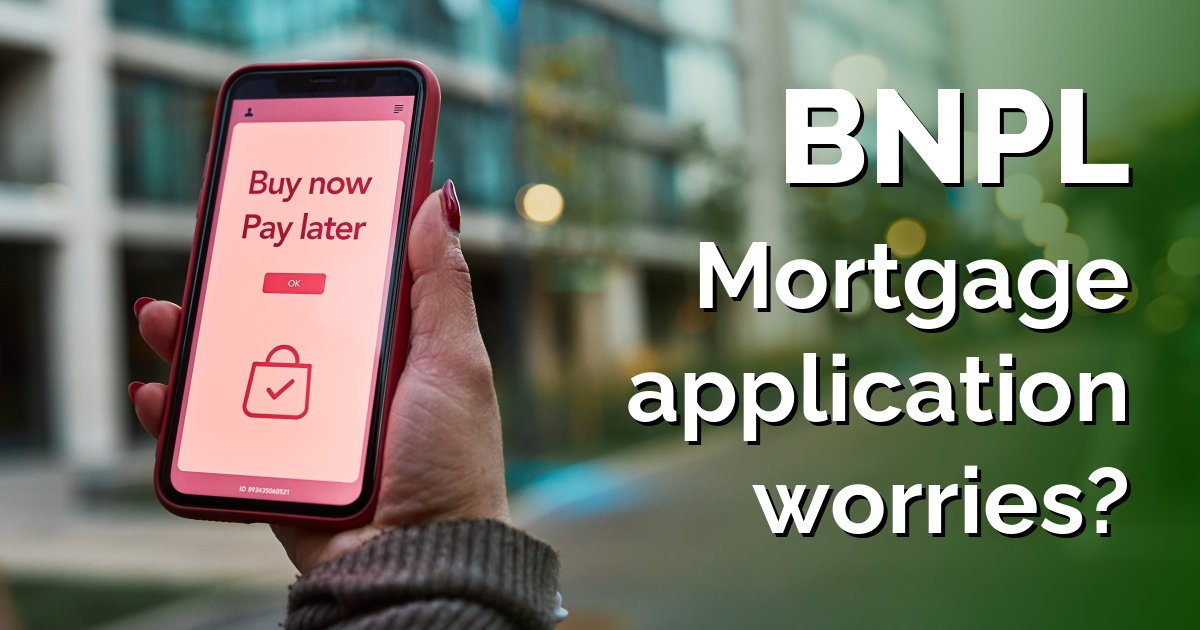
If you’re looking at applying for a mortgage in the near future, have you considered how any buy now pay later schemes you have taken could affect your success? Here we look at how they are dealt with during a mortgage application.
Buy Now Pay Later (BNPL) schemes have become increasingly popular in recent years, offering shoppers a quick and convenient way to spread the cost of purchases. There are now a lot of BNPL services available at online checkouts for everything from clothing and furniture to travel and electronics.
For many people, these schemes can be useful when managed carefully. However, if you are thinking about applying for a mortgage in the future, it is important to understand how lenders may view BNPL borrowing as part of their affordability and credit checks.
The good news is that using BNPL does not automatically mean you will struggle to get a mortgage. Mortgage lenders look at your overall financial situation, and professional mortgage advice can often help people find suitable solutions even if they have experienced credit issues in the past.
John Pringle, Mortgage Adviser in Tottenham, North London said:
“Many people use Buy Now Pay Later services without realising they can appear on a lender’s radar during a mortgage application. It certainly does not mean you cannot get a mortgage, but it is important to understand how lenders assess affordability and existing credit commitments. We regularly help clients who may have concerns about their credit history or previous borrowing, and there are often more options available than people expect.”
What Are Buy Now Pay Later Schemes?
Buy Now Pay Later schemes are short-term credit arrangements that allow consumers to receive goods immediately while spreading payments over several weeks or months. Some BNPL providers offer interest-free instalments if payments are made on time, while others may charge interest or fees depending on the agreement.
According to official guidance from credit reference agencies such as Experian UK, BNPL products are a form of borrowing and may increasingly appear on credit files used by lenders when assessing applications for credit, including mortgages.
BNPL services are designed to make purchases more manageable, and many people use them responsibly. However, because they are still a type of credit commitment, mortgage lenders may take them into account during affordability assessments.
Can Buy Now Pay Later Affect a Mortgage Application?
Yes, in some circumstances it can. Mortgage lenders are required to carry out affordability checks to ensure borrowers can comfortably manage mortgage repayments both now and in the future.
When reviewing an application, lenders may assess:
- Existing credit commitments
- Levels of unsecured borrowing
- Spending habits
- Credit history and repayment behaviour
- Overall affordability and disposable income
Because BNPL agreements are a form of credit, some lenders may consider frequent or excessive use as part of their wider assessment.
Official guidance from Experian UK’s BNPL information pages explains that missed BNPL payments could negatively affect a credit report, which may then influence future lending decisions.
Importantly, simply using BNPL does not automatically prevent someone from getting a mortgage. Many lenders take a balanced approach and will consider the wider financial picture rather than focusing on one factor alone.
Why Mortgage Lenders Sometimes View BNPL Borrowing Cautiously
Mortgage lenders want to understand how applicants manage money over time. If there are multiple BNPL agreements running alongside loans, credit cards or overdrafts, lenders may question whether finances are becoming stretched.
Some lenders may also reduce the amount they are prepared to lend if existing monthly credit commitments affect affordability calculations.
Missed payments are usually more concerning than the borrowing itself. Late or missed repayments can sometimes impact a credit score and remain visible on a credit file for several years.
That said, occasional responsible use of BNPL products is unlikely to cause serious issues for many applicants, particularly where payments are maintained and overall finances are healthy.
John Pringle, Mortgage Broker in Tottenham, North London continued
“If you're concerned about how Buy Now Pay Later borrowing or previous credit issues might affect your mortgage plans, don't be afraid to ask for advice. We speak to people across Tottenham and North London every day who worry that they've damaged their mortgage chances, only to discover there are still viable options available. Simply by having a conversation with us it can help you to have a clear understanding of where you stand and can make all the difference when planning your next move.”
Mortgage Advice for People with Poor Credit or Previous BNPL Use
If you are worried that previous BNPL borrowing or a poor credit history could affect your chances of getting a mortgage, it is important not to panic.
There are many mortgage lenders across the UK market, and each lender has its own criteria. Some lenders specialise in helping applicants with:
- Lower credit scores: Some specialist lenders understand that credit scores can be affected by life events and may still consider applicants with a less-than-perfect credit profile.
- Missed payments: A small number of missed payments on credit agreements or household bills may not automatically prevent you from securing a mortgage, particularly if your finances have since improved.
- Defaults or CCJs: Certain lenders are willing to assess applications from borrowers with historic defaults or County Court Judgements, depending on how recent they are and the overall circumstances.
- Historic financial difficulties: Previous financial challenges such as debt management plans or temporary financial hardship can often be reviewed in context rather than judged in isolation.
- Complex income situations: Applicants who are self-employed, receive bonuses or commission, work multiple jobs or have variable income may still have mortgage options available with the right guidance.
- Previous heavy use of short-term credit: Regular use of BNPL services, payday loans or other short-term borrowing may raise questions from lenders, but this does not always mean a mortgage application will be declined.
Working with an experienced mortgage adviser can help you understand your options and identify lenders that may be more suitable for your circumstances.
Our mortgage advisers can also help you:
- Review your credit profile: An adviser can help identify potential issues on your credit report and explain how lenders may view your financial history.
- Improve mortgage affordability: By reviewing your income, outgoings and borrowing commitments, an adviser may help you strengthen your affordability position before applying.
- Understand your borrowing position: Knowing how much you may be able to borrow early on can help you plan realistically and avoid disappointment later in the process.
- Prepare supporting documentation: Having the correct paperwork ready, such as payslips, bank statements and identification, can help make the application process smoother and more efficient.
- Avoid unnecessary credit applications: Multiple credit applications within a short period can sometimes affect your credit profile, so careful planning may help reduce this risk.
- Build a plan towards home ownership: Even if you are not quite ready for a mortgage today, an adviser can often help you work towards improving your position over time.
In many cases, small financial improvements made several months before applying for a mortgage can make a meaningful difference.
Tips to Improve Your Mortgage Prospects
If you are planning to apply for a mortgage in the future, the following steps may help strengthen your application:
- Keep up with all repayments on time: Consistently making payments by their due date can help demonstrate responsible financial management to mortgage lenders.
- Avoid taking on unnecessary new credit: Applying for additional borrowing shortly before a mortgage application may affect affordability calculations and increase lender caution.
- Reduce outstanding balances where possible: Lower balances on credit cards, loans and BNPL agreements can help improve affordability and reduce overall debt levels.
- Check your credit report regularly: Reviewing your credit file can help you spot errors, monitor your financial position and address any issues before applying for a mortgage.
- Register on the electoral roll: Being registered at your current address can help lenders verify your identity and may support your credit profile.
- Maintain sensible spending habits: Lenders often review bank statements during the application process, so managing day-to-day spending carefully may help present a stronger financial picture.
- Speak to a mortgage adviser early: Early professional advice can help you understand your options, identify potential challenges and prepare more confidently for a future mortgage application.
Seeking advice early can often provide reassurance and help you avoid unnecessary stress later in the process.
Frequently Asked Questions About BNPL and Mortgages
Does Buy Now Pay Later show on my credit file?
Some BNPL providers may report information to credit reference agencies. Missed payments are more likely to affect your credit record, although reporting practices can vary between providers.
Do mortgage lenders check BNPL borrowing?
Some lenders do consider BNPL borrowing as part of affordability and credit assessments, particularly where there are multiple active agreements or signs of financial pressure.
Can missed BNPL payments affect my credit score?
Yes. Missed or late payments could potentially impact your credit profile and may influence future lending decisions.
Should I stop using BNPL before applying for a mortgage?
Reducing unnecessary borrowing before a mortgage application may help strengthen affordability assessments. Our mortgage advisers can help you understand what may be most appropriate for your situation.
Can I get a mortgage with poor credit?
Potentially, yes. There are lenders who consider applicants with previous credit issues, although the available products and interest rates may differ depending on individual circumstances.
When should I speak to a mortgage adviser?
It is often beneficial to speak with a mortgage adviser as early as possible, particularly if you have concerns about your credit history, affordability or previous borrowing.
YOUR PROPERTY MAY BE REPOSSESSED IF YOU DO NOT KEEP UP REPAYMENTS ON YOUR MORTGAGE.
Thomas Oliver UK LLP is an appointed representative of The Openwork Partnership, a trading style of Openwork Limited which is authorised and regulated by the Financial Conduct Authority.
Approved by The Openwork Partnership on 2/7/2026.