Mortgage Protection: Your Questions Answered
Wednesday 18 February, 2026
Mortgage protection is something many people hear about when buying a home, but it’s not always obvious what it covers or whether it’s something you personally need.
In this article, we walk you through the most common questions our mortgage brokers are asked, in a straightforward way, so you can feel confident about the choices available to you.
We also explain why taking professional mortgage protection advice is so important when choosing the right policy.
What types of mortgage protection policies are there?
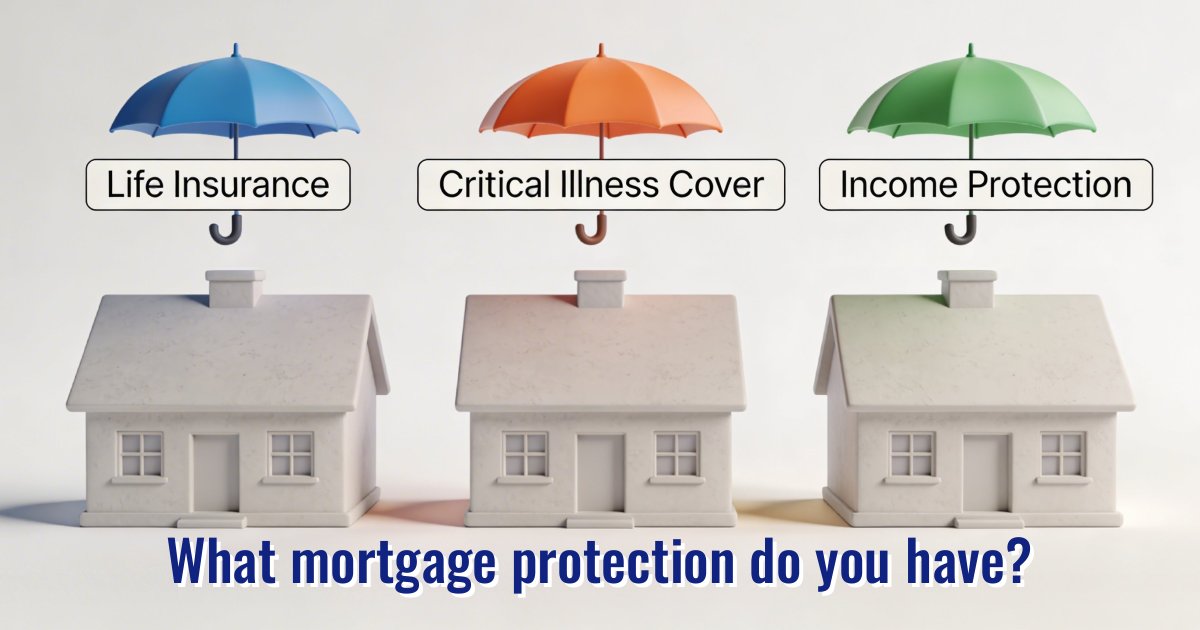
There are three main types of mortgage protection commonly used in the UK:
1. Life Insurance (Mortgage Life Cover)
This pays out a lump sum if you die during the policy term. It’s designed to clear your outstanding mortgage so your family can stay in the home without financial pressure.
2. Critical Illness Cover
This pays out a lump sum if you’re diagnosed with a serious medical condition listed in the policy, such as certain types of cancer, heart attack or stroke. The payout can be used to repay your mortgage or help with other financial needs during recovery.
3. Income Protection
This provides a regular monthly income if you’re unable to work due to illness or injury. It’s designed to help cover your mortgage payments and other essential bills while you’re off work.
What is the difference between the policies?
Each type of protection covers a different risk:
- Life insurance protects your family if you die.
- Critical illness cover protects you if you survive a serious illness but need financial support.
- Income protection supports you if you’re unable to work for a period of time.
Some people choose just one type, while others combine them for broader protection. The right mix depends on your personal circumstances, health, income and financial responsibilities.
Are mortgage protection policies compulsory?
No, mortgage protection is not compulsory in the UK. Lenders cannot insist that you take out a specific policy with them. However, many people choose to have some form of protection in place because a mortgage is often the biggest financial commitment they will ever take on.
While it isn’t a legal requirement, it’s worth thinking about how your mortgage would be paid if something unexpected happened. Protection can offer peace of mind for you and your loved ones.
Which type of mortgage protection will we need?
The type of protection you need depends on your personal situation. For example:
- If you have a partner or children who rely on your income, life insurance is often considered essential.
- If you’re concerned about how you’d cope financially after a serious illness, critical illness cover may be important.
- If you’re self‑employed or don’t receive generous sick pay, income protection can provide valuable support.
This is where professional mortgage and protection advice becomes important. A qualified adviser can assess your mortgage, income, family situation and existing benefits to recommend the right level of cover. They’ll also help you avoid paying for protection you don’t actually need.
How long will a mortgage protection policy last?
Most mortgage protection policies are designed to last for the same length of time as your mortgage. For example:
- A repayment mortgage is usually matched with decreasing term life insurance, where the cover reduces as your mortgage balance reduces.
- An interest‑only mortgage is often matched with level term cover, where the payout stays the same throughout the policy.
Critical illness cover and income protection can also be set to match your mortgage term, or longer if you want wider financial protection.
How much will be paid out and when?
This depends on the type of policy:
- Life insurance pays a lump sum if you die during the policy term.
- Critical illness cover pays a lump sum if you’re diagnosed with a condition listed in the policy.
- Income protection pays a monthly benefit after a waiting period (known as a “deferred period”) if you’re unable to work due to illness or injury.
The amount you choose should be enough to cover your mortgage balance or monthly payments. A professional adviser can help you calculate the right level of cover so you’re neither under‑insured nor paying for more than you need.
Will our mortgage protection premiums stay the same over time?
This depends on the type of policy you choose. Many mortgage life insurance and critical illness policies use guaranteed premiums, which means the amount you pay each month stays the same throughout the policy term.
Some policies offer reviewable premiums, which can increase over time based on the insurer’s assessment of risk. Income protection can also be set up with guaranteed or age‑banded premiums. An adviser can help you understand the long‑term cost of each option so you can choose a policy that fits comfortably within your budget.
Can we change or cancel our mortgage protection policy in the future?
Yes, most policies allow you to make changes if your circumstances shift, for example, if you move home, remortgage, or your family grows. You can usually cancel your policy at any time, although you won’t get back any premiums you’ve already paid.
Because protection needs often change over time, it’s a good idea to review your cover regularly with a qualified adviser to make sure it still meets your needs.
What information will we need to apply for mortgage protection?
When applying, you’ll usually be asked for details about your health, lifestyle, occupation and mortgage. This may include your medical history, whether you smoke, and the type of work you do. Insurers use this information to assess risk and offer you a fair premium.
Being open and accurate is essential, as incorrect information could affect future claims. An adviser can guide you through the application process and help ensure everything is completed correctly.
In Conclusion
Choosing the right mortgage protection can feel overwhelming, but you don’t have to make the decision alone.
Rafi Khan, Mortgage Broker & Protection Adviser in East Ham, London said:
“Your mortgage is one of the biggest commitments you’ll ever make, so having the right protection in place isn’t just sensible, it’s part of building long‑term financial security for you and your family.”
If you’d like help reviewing your options or understanding which type of cover suits your circumstances, professional advice can make all the difference.
Please Note: This article is for general information only and does not constitute personal financial, tax or insurance advice. The Financial Conduct Authority requires communications about protection products to be clear, fair and not misleading, and to make it clear where consumers should seek regulated, personalised advice; for that reason you should speak with an FCA-authorised financial adviser or protection specialist before making any decisions about buying income protection cover, and you should check the precise policy wording and current tax guidance that applies to your own circumstances.
Approved by The Openwork Partnership on 16/2/2026.
HM Revenue and Customs practice and the law relating to taxation are complex and subject to individual circumstances and changes which cannot be foreseen.
Thomas Oliver UK LLP is an appointed representative of The Openwork Partnership, a trading style of Openwork Limited which is authorised and regulated by the Financial Conduct Authority.